

© 2026 Riot Games. All Rights Reserved.
© 2026 Riot Games. All Rights Reserved.

2026 Overview
Policy Updates
How Can I Compete? (Open Qualifier Info)
Where to Watch
As we look to close out the year, we wanted to provide an overview of what to expect in 2026 for the NACL: the official path to pro for North American League of Legends! With Disguised having successfully defended the Guest Slot in our inaugural Promotion Tournament, it’ll be up to our aspiring pros and organizations to rebuild for another chance to take them on.
We’ll share a detailed schedule closer to the start of the 2026 season, but we wanted to give pros, teams, and fans an early look at what’s ahead. The NACL will return in late March with a two-split format, maintaining a schedule similar to 2025 to better align the Tier 1 and Tier 2 calendars. This structure supports smoother mid-season talent promotion while keeping each split accessible and competitively meaningful for players.
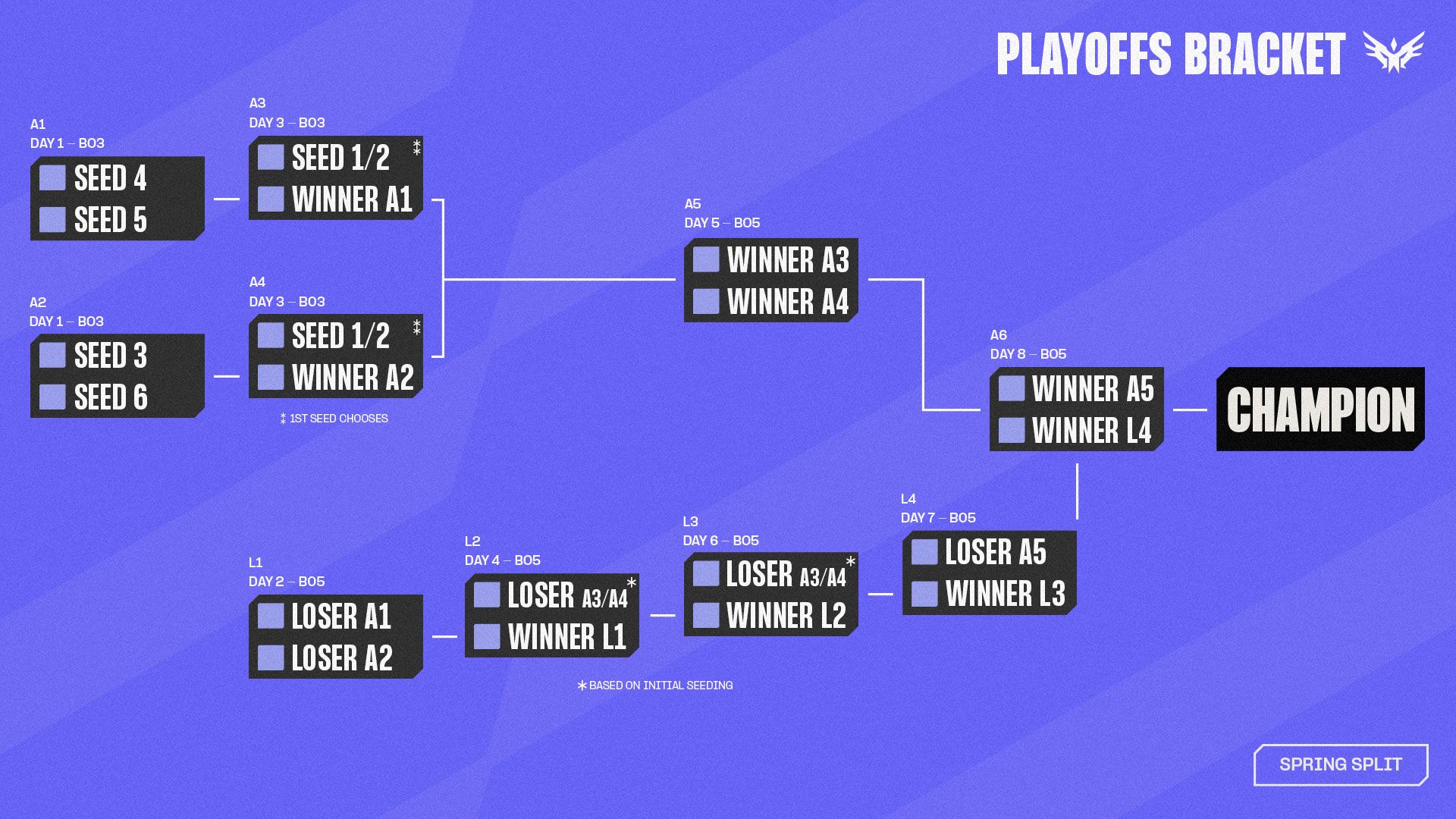
The NACL Spring Split format will once again feature a single Round Robin Best-of-3 regular season (now matching the LCS). The bottom two teams from the regular season will fight to retain their NACL spot against Open Qualifier teams in the NACL Promotion Tournament, while the top six teams advance to Playoffs. Playoffs will utilize a Double Elimination Bracket featuring a mix of Best-of-3s and Best-of-5s. A new addition this year is that the first seed from the regular season will get to select their side bracket. Additionally, all matches will feature Fearless Draft.
Summer Split will feature a brand-new format this year. Based on community feedback, we’re moving away from Best-of-1s and introducing a new group stage structure. All 10 NACL teams will be divided into two groups of five, with the top two seeds from Spring Split taking turns drafting teams for each group, adding extra competitive stakes to the previous split. Teams will then play a Single Round Robin featuring Best-of-3 matches against teams from the opposite group.
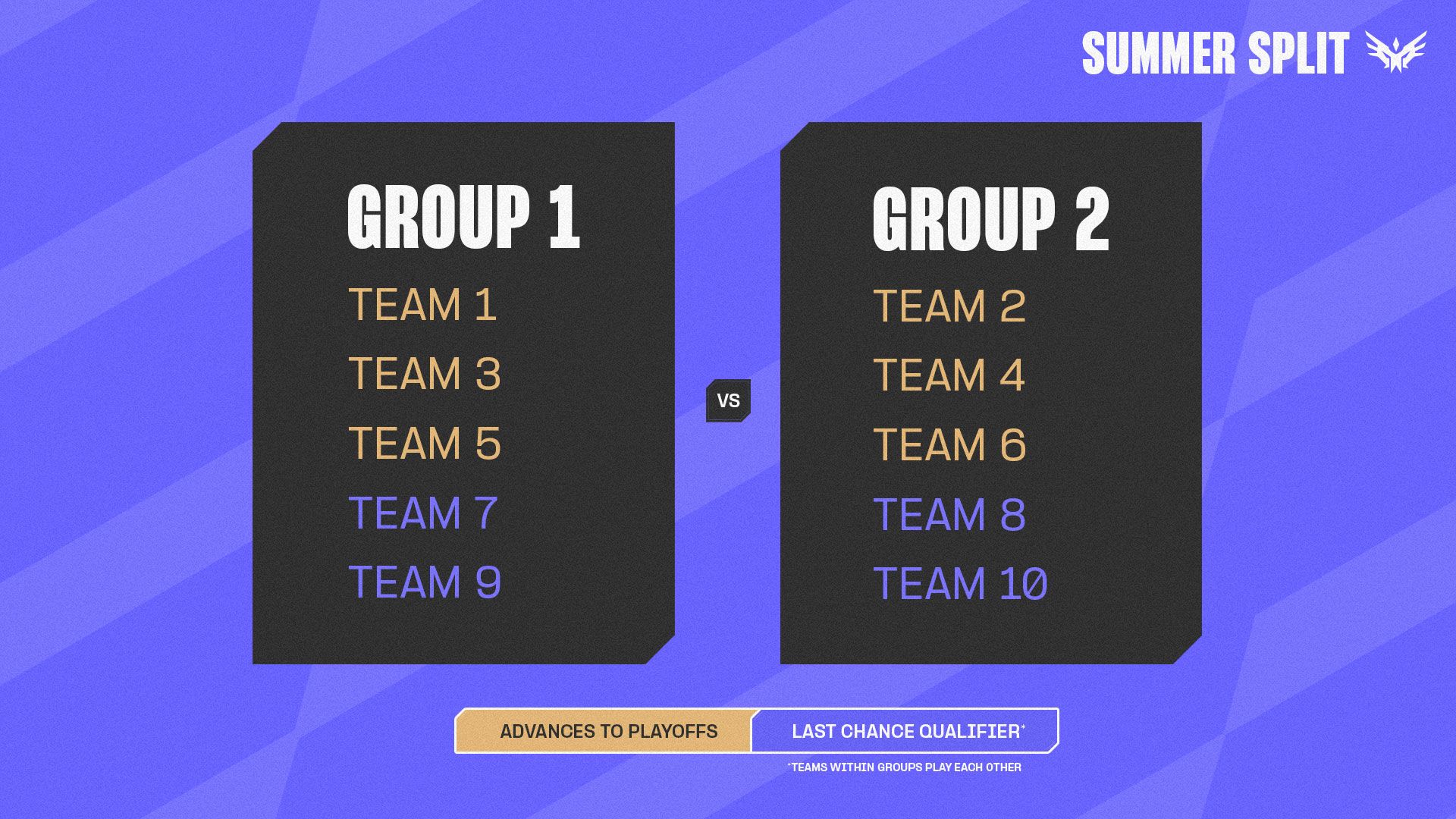
At the end of the regular season, the top three teams from each group will advance to playoffs, with the stronger-performing group earning higher seeding. The fourth and fifth seed in each group will face off against each other in a Last Chance Qualifier to determine who keeps their playoff hopes alive and who is relegated to the NACL Promotion Tournament. Playoffs will feature eight teams in a Double Elimination bracket where the top two teams will advance to the LCS Promotion Tournament at the end of the year. Similarly to Spring Split, all matches will also feature Fearless Draft.
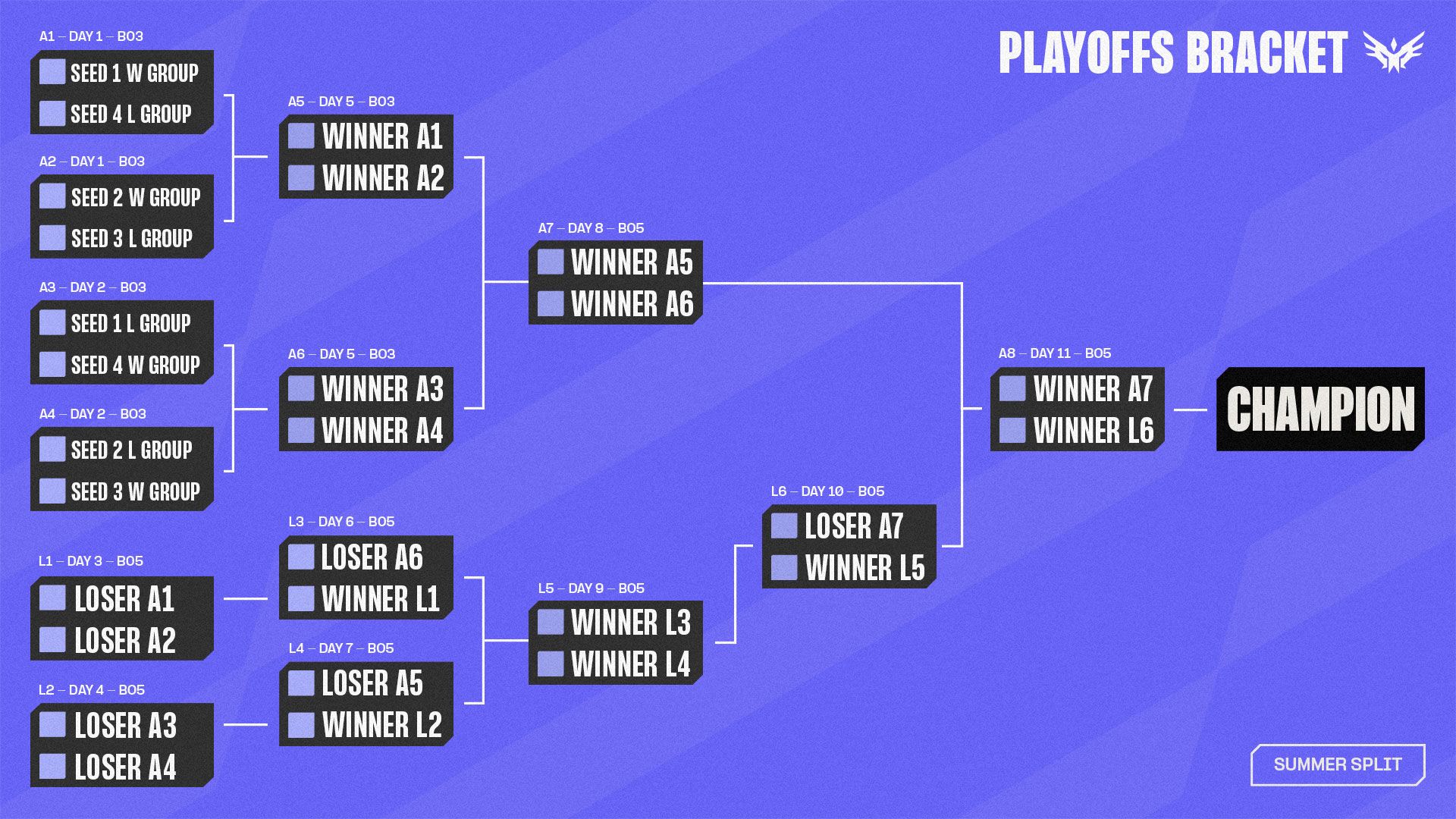
We’re excited to introduce this new format as we believe it represents a balance between thorough competition, introducing new stakes from Spring Split, and fully utilizing Fearless Draft throughout the entire season. As always, we’ll remain attentive to any feedback, so make sure to let us know what you think!
Alongside updates to our format, we also wanted to share some policy updates for the NACL.
As we wrap up the first year of the new Tier 1 Promotion Tournament, we’ve heard valuable feedback from teams that the current Tier 2 GCD structure isn’t meeting their needs. The system was originally built around the older Academy model, which was structured around operating in-person teams in California.
To address this, we’re removing the California-based salary and full time employment requirements for GCD submission in the NACL moving forward. At the same time, we’re adding an important safeguard to support upward player mobility: a buyout cap. We’ve seen in the past how large buyout fees can limit player opportunities. To prevent this, NACL player contracts will now have a maximum buyout of up to six months of their salary. Additionally, a maximum of five players and one coach per roster will be permitted into the GCD.
We believe this strikes the right balance: it gives teams scalable protection for their investments while keeping player movement fair and open. We’ll continue to monitor how these changes play out over the next few years and make adjustments as needed, but we’re confident this approach better reflects today’s Tier 2 ecosystem and supports both organizations and players as they work toward their pro aspirations.
In 2025, we raised the minimum age requirement for NACL players from 16 to 17 to stay consistent with Tier 1 and make roster promotions between Tier 2 and Tier 1 as seamless as possible. However, we’ve heard the feedback that this change created challenges for younger players hoping to start their competitive journey. Starting in 2026, players who are at least 16 years old will be eligible to compete.
With the Tier 1 league transitioning from LTA to LCS, the Tier 1 residency policy was updated to remove the Americas Residency Slot. To stay consistent with those Tier 1 updates, the NACL will also be removing the Americas Residency Slot. Going forward, all NACL rosters can include up to two non-resident players and must have at least North American resident players.
The NACL Open Qualifier will return in 2026, but we’re making a few important updates to improve how the schedule works moving forward.
In 2026, there will be one Open Qualifier held during the Spring Split. Similarly to 2025, the top teams from that tournament will advance to face the bottom NACL teams from Spring to determine the final two spots for the NACL Summer Split.
Instead of running another Open Qualifier in Summer Split, the next qualifier will take place at the start of 2027. By restructuring the timing of the second Open Qualifier to the start of the year instead of during Summer, this will allow for additional flexibility for teams where each year can act as a fresh start.
We will release more updates on the schedule as well as how to sign-up for the Spring Split Open Qualifier early next year. Stay tuned for more information!
Catch all the NACL action live on Twitch.tv/NACL and YouTube.com/@NACL. Stay updated with the latest NACL news and match highlights by following X.com/watchNACL.
